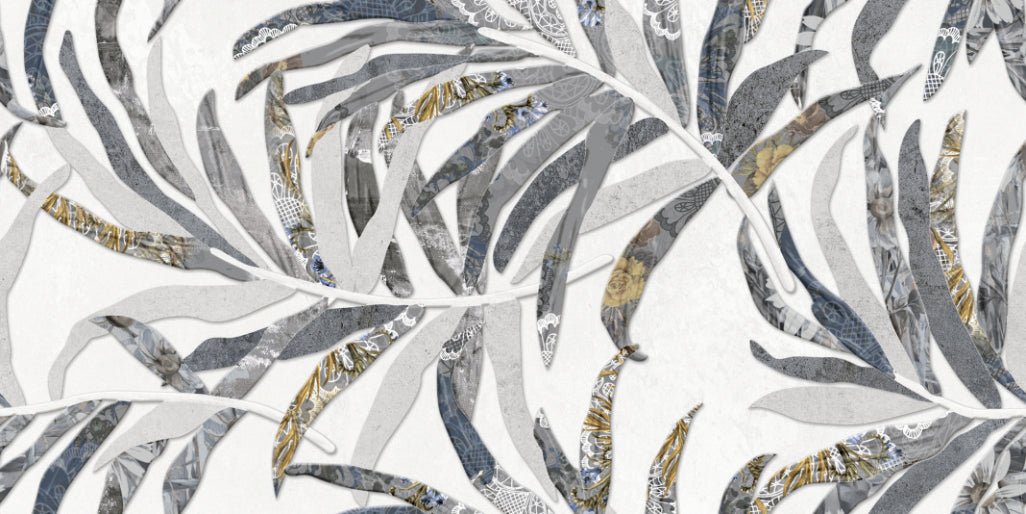
What Are Feature & Decor Wall Tiles?
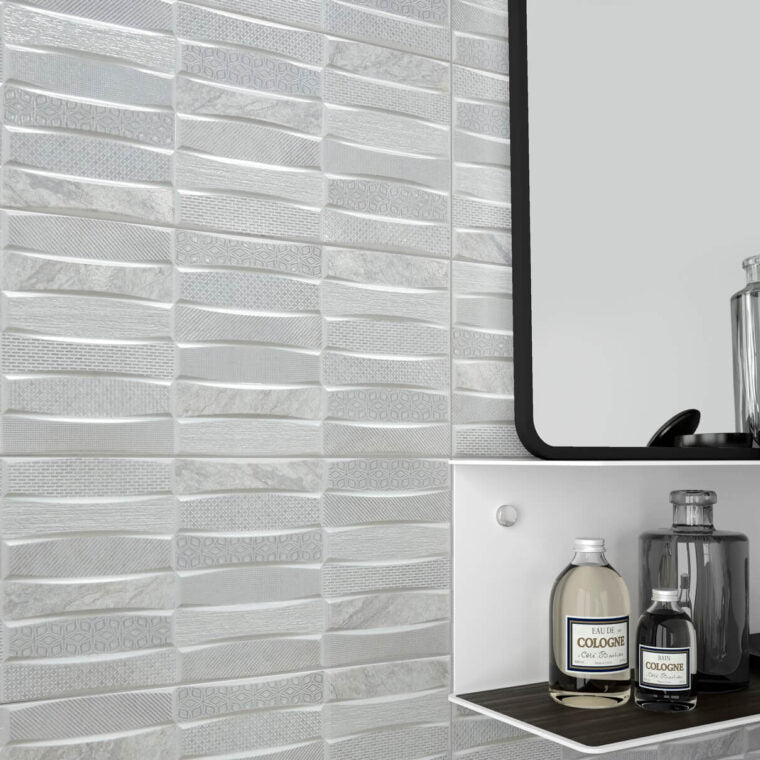
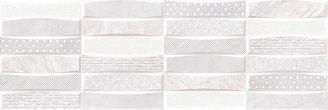
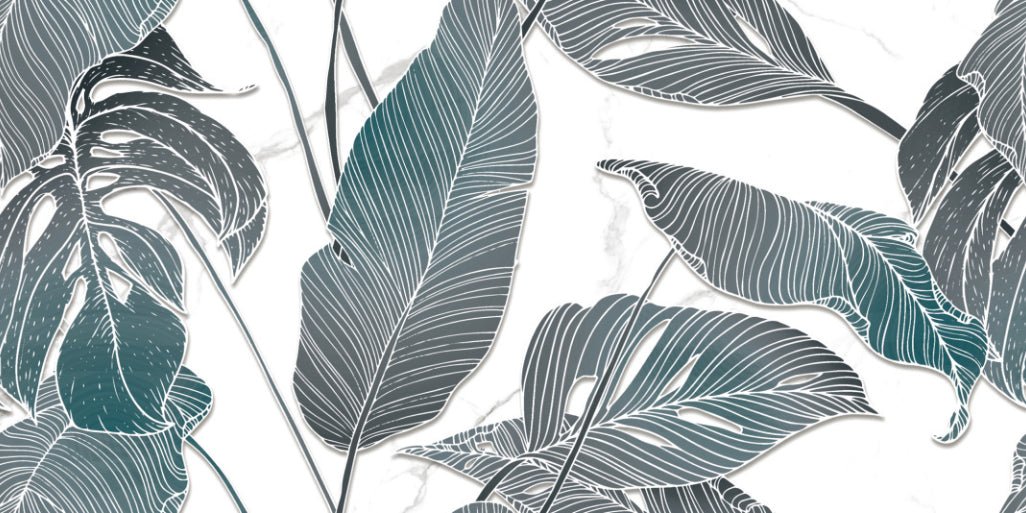
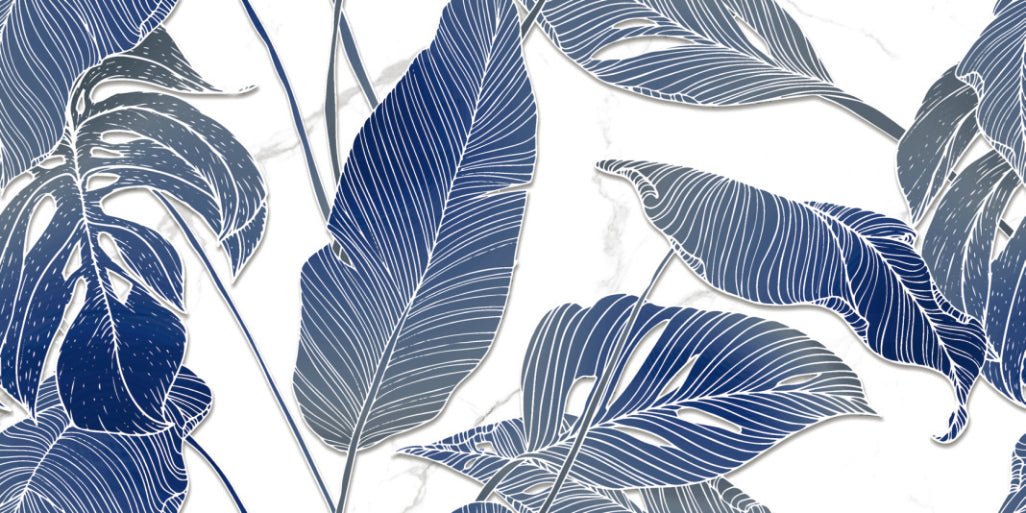
Feature wall tiles are designed to create a focal point — one statement wall that draws the eye and anchors the room. Decorative wall tiles is a broader term covering any tile with visual interest beyond a plain, flat finish — think patterns, textures, relief designs, or bold colours.
Why They Work So Well
- Instant focal point — A single tiled feature wall can completely change the feel of a room without overwhelming it. Your eye is naturally drawn to contrast and pattern.
- Depth and dimension — Textured or 3D tiles play with light, creating shadows and movement that flat-painted walls simply can't replicate.
- Personality and style — Tiles outlast trends better than paint or wallpaper, and they communicate a design intent — whether that's Mediterranean charm, industrial edge, or spa-like calm.
Popular Styles Right Now
- Zellige & handmade-look tiles — Slightly irregular, glossy, with a rippled surface. Hugely popular in both kitchens and bathrooms for their artisan feel.
- Fluted / ribbed tiles — Vertical channel textures that add elegance and catch the light beautifully.
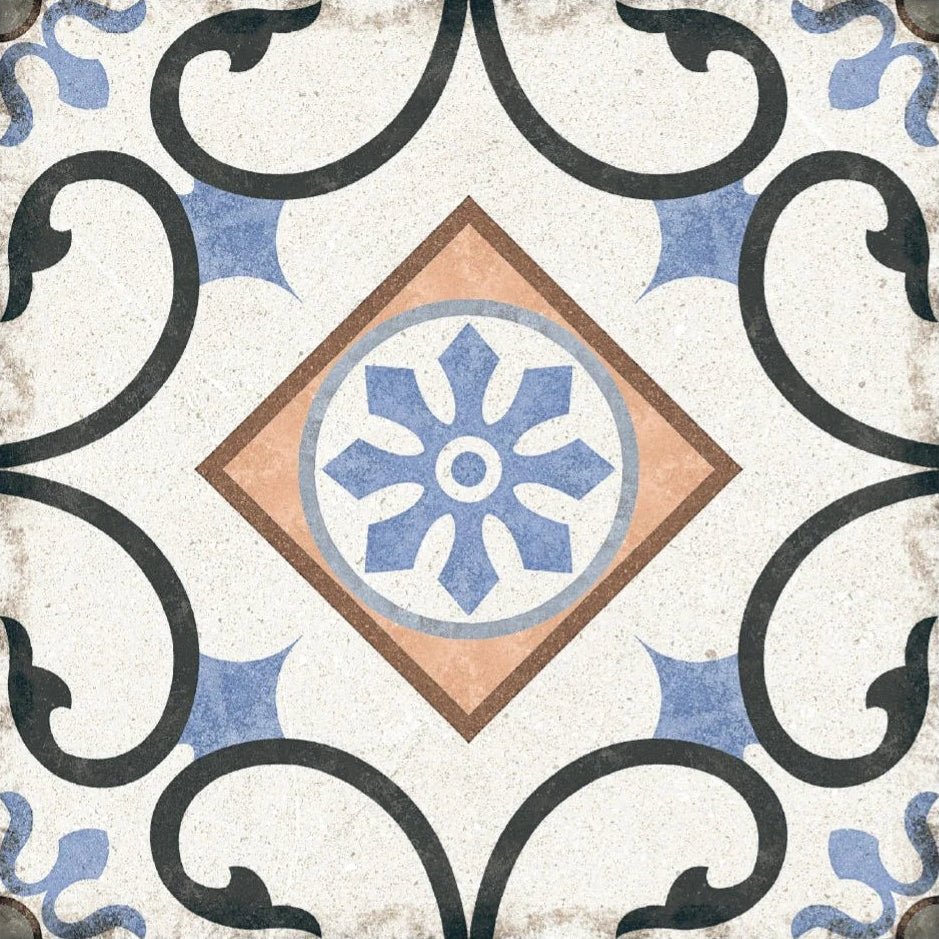
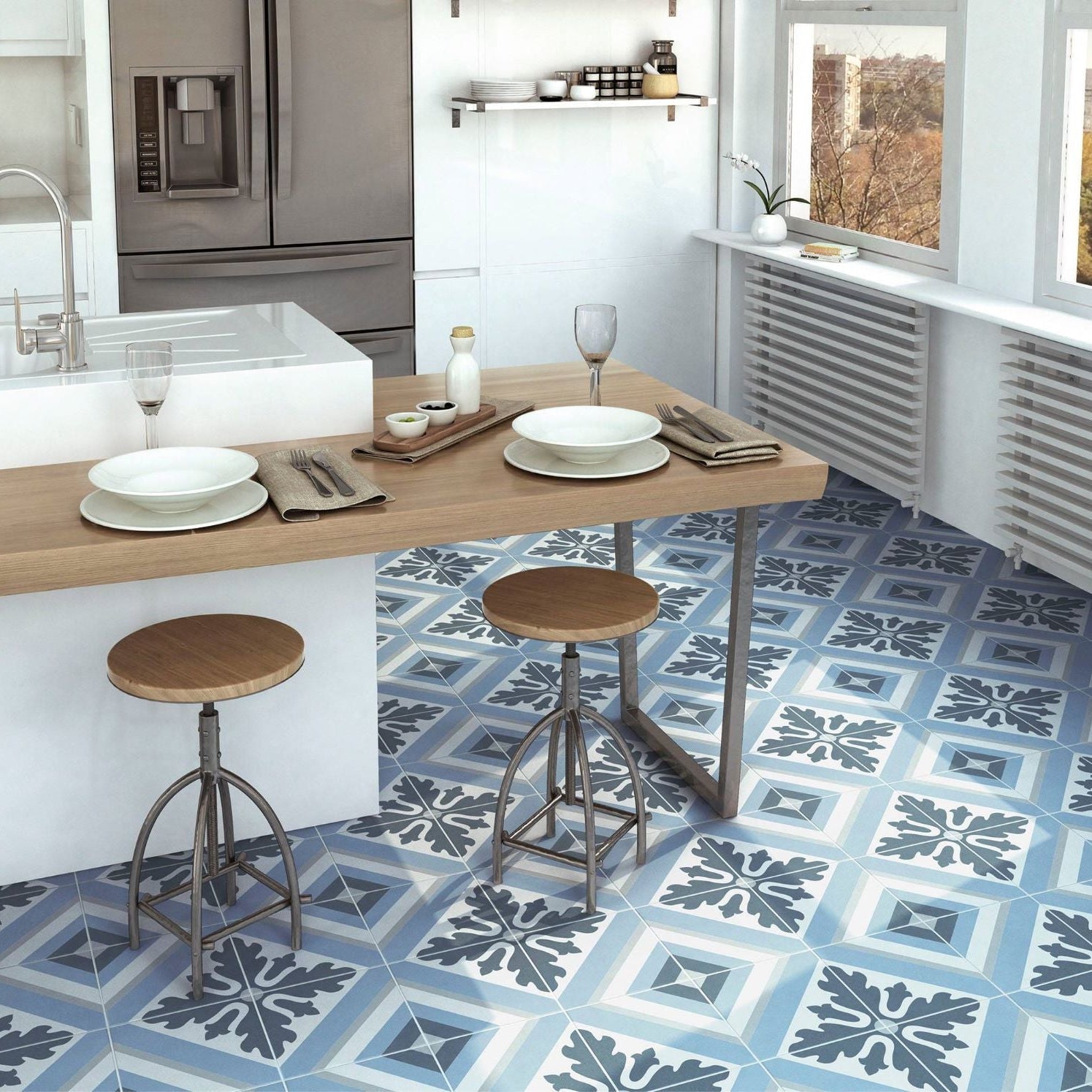
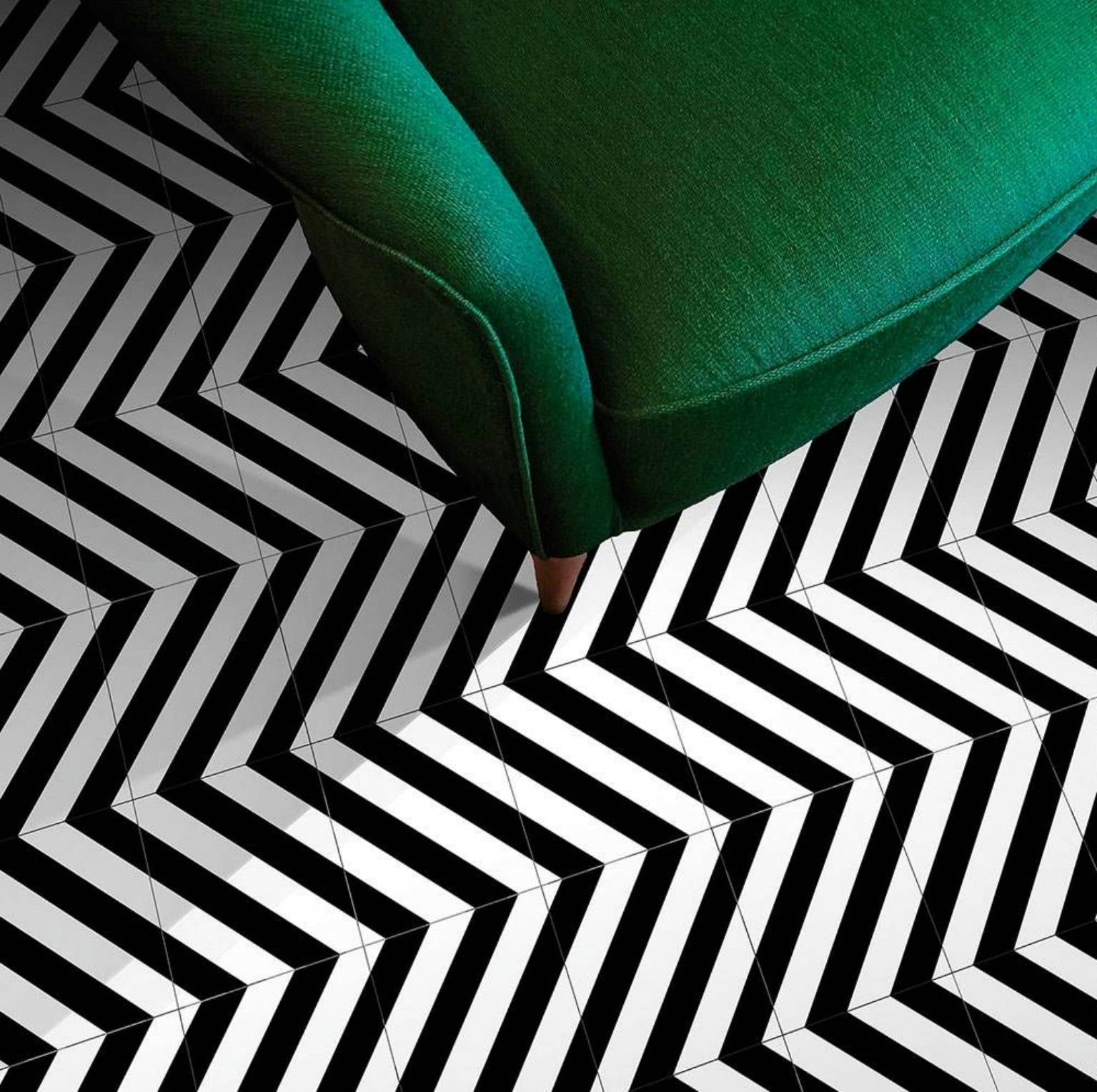
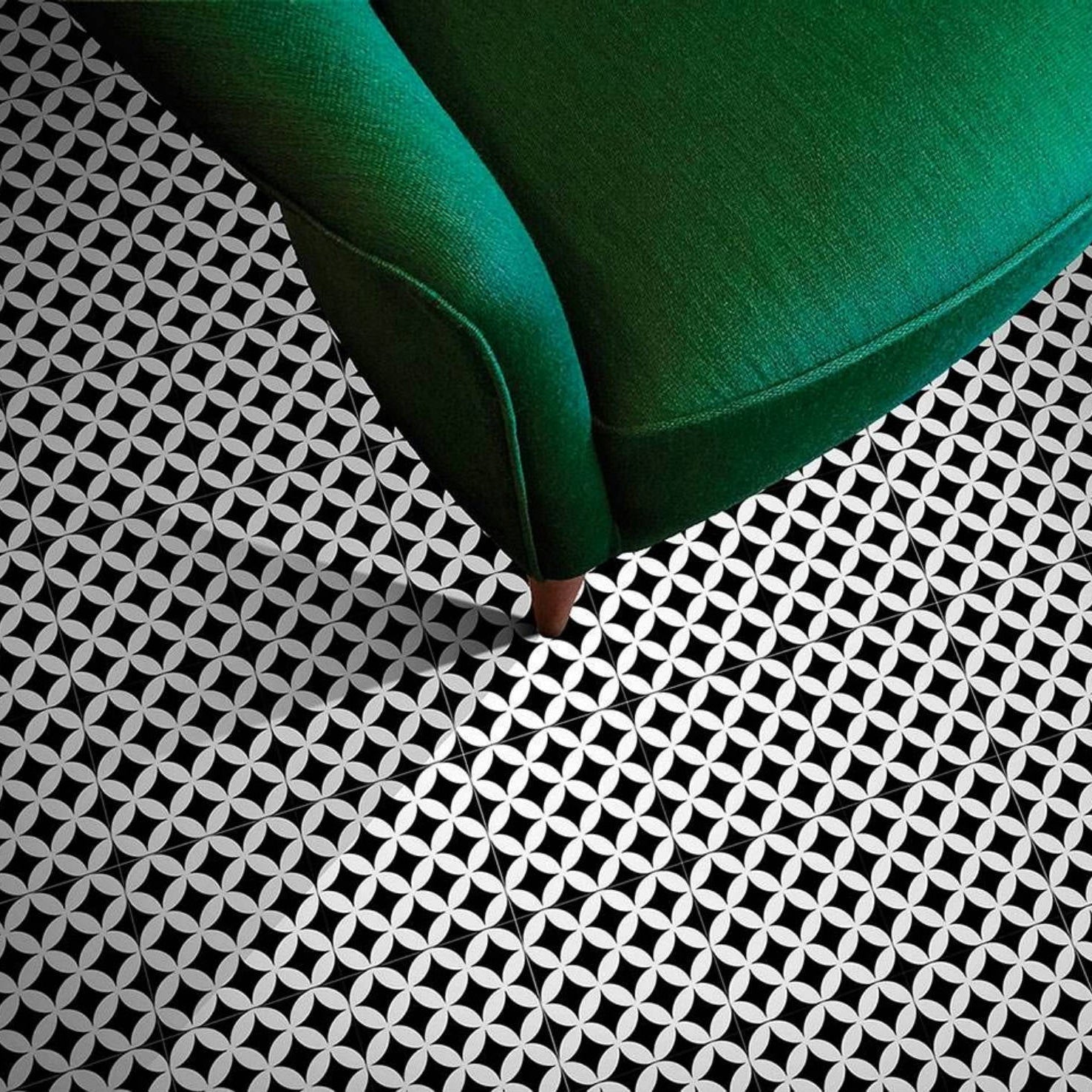
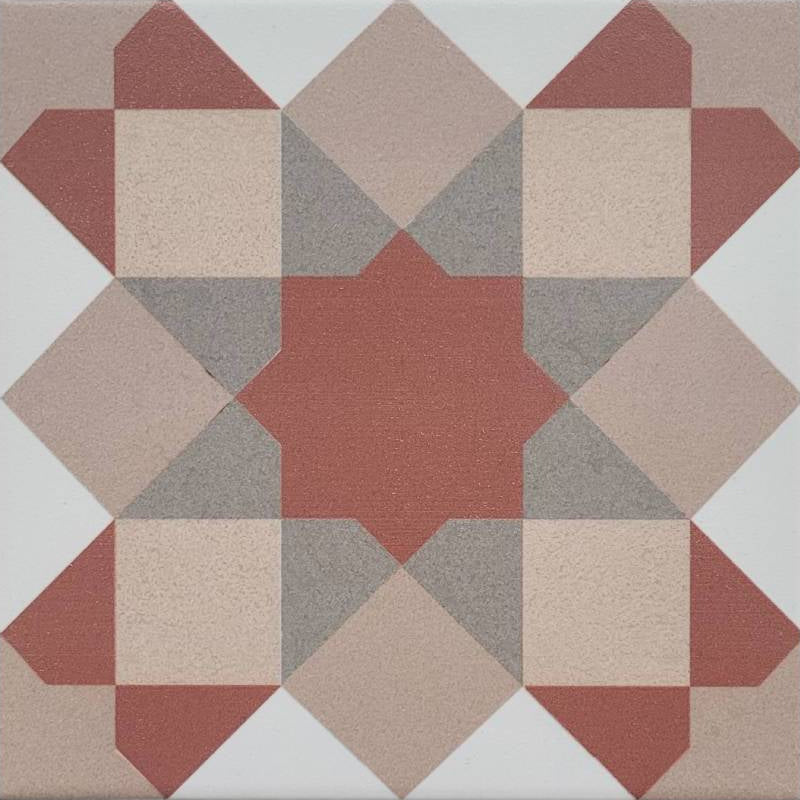
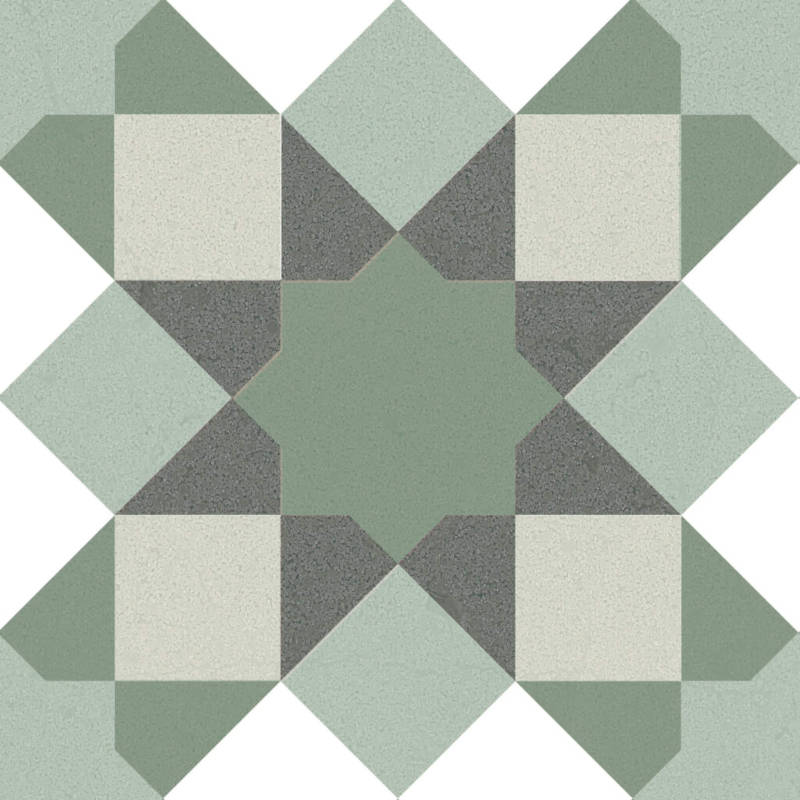
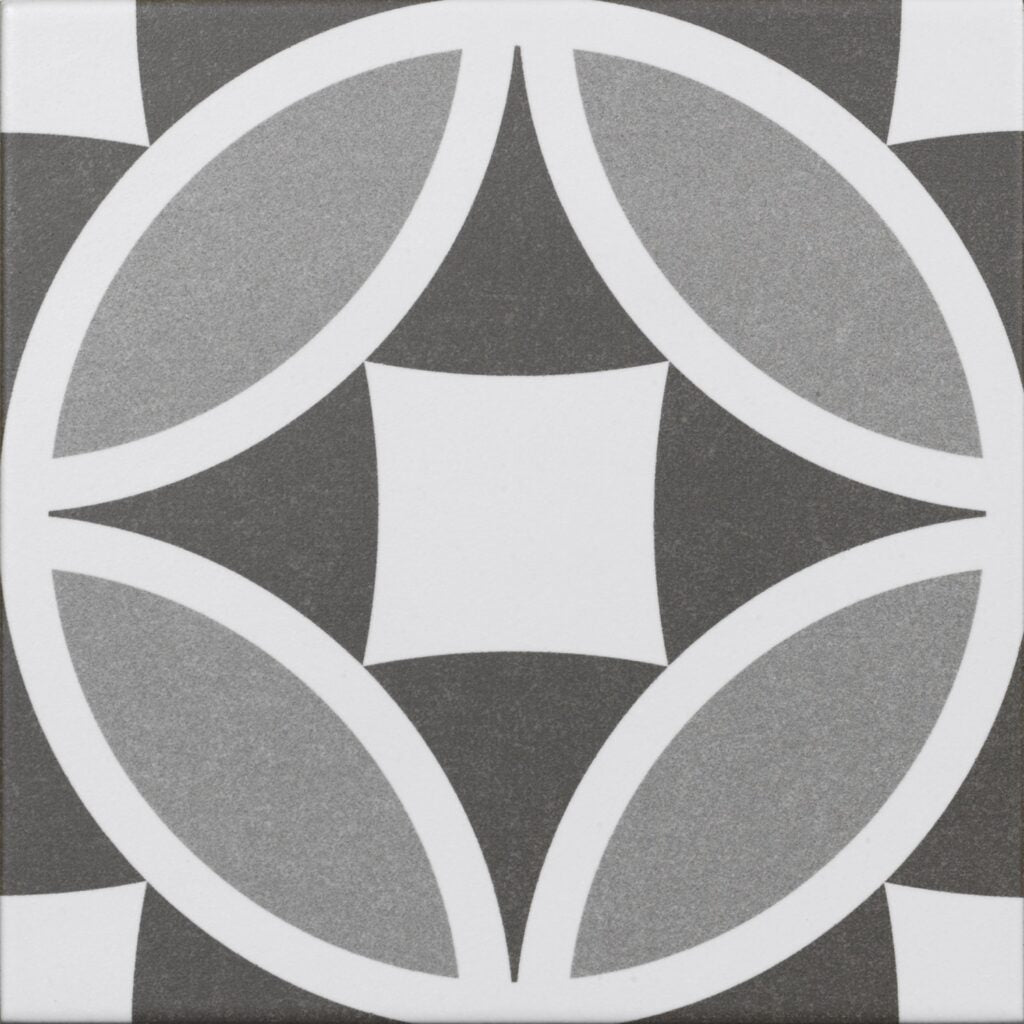
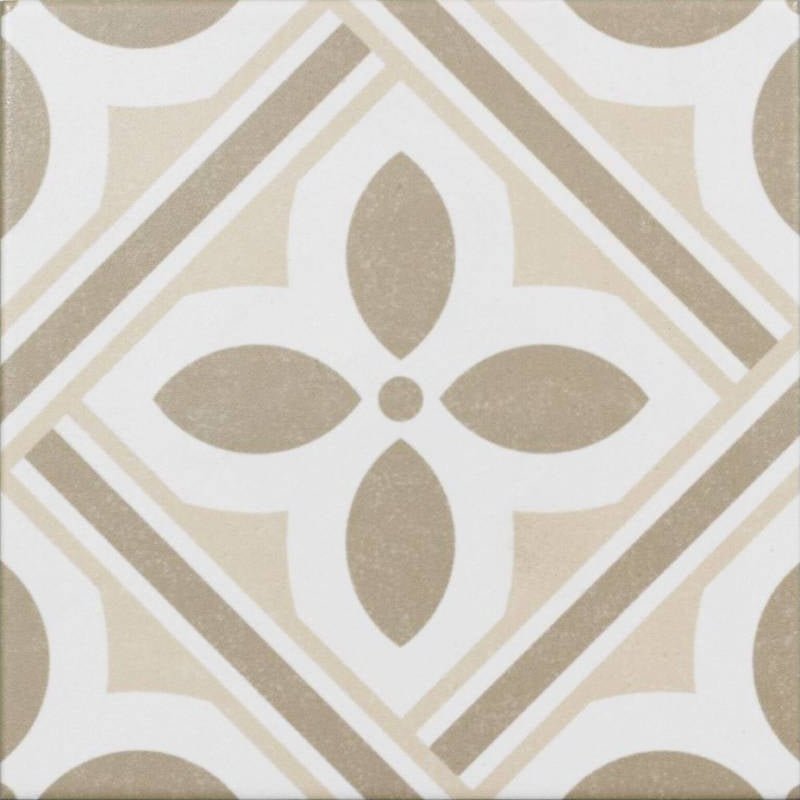
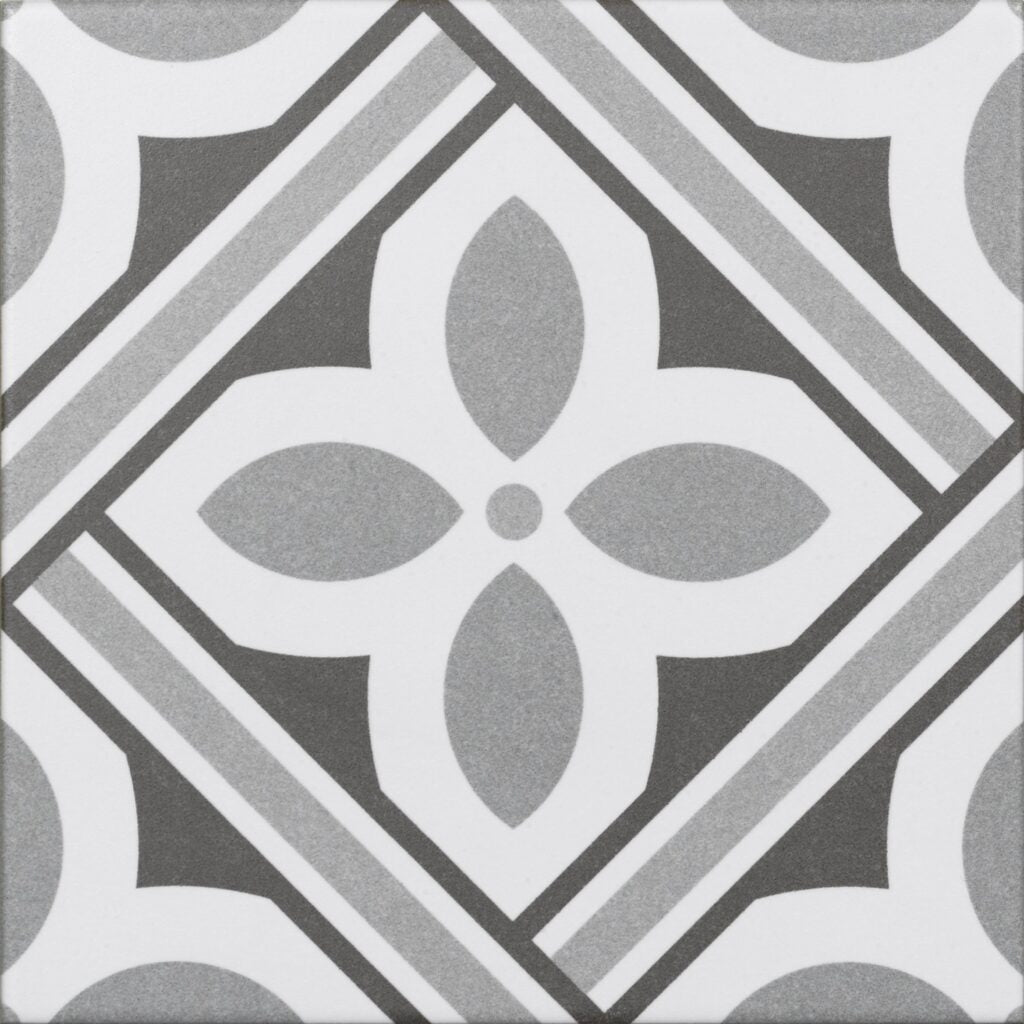
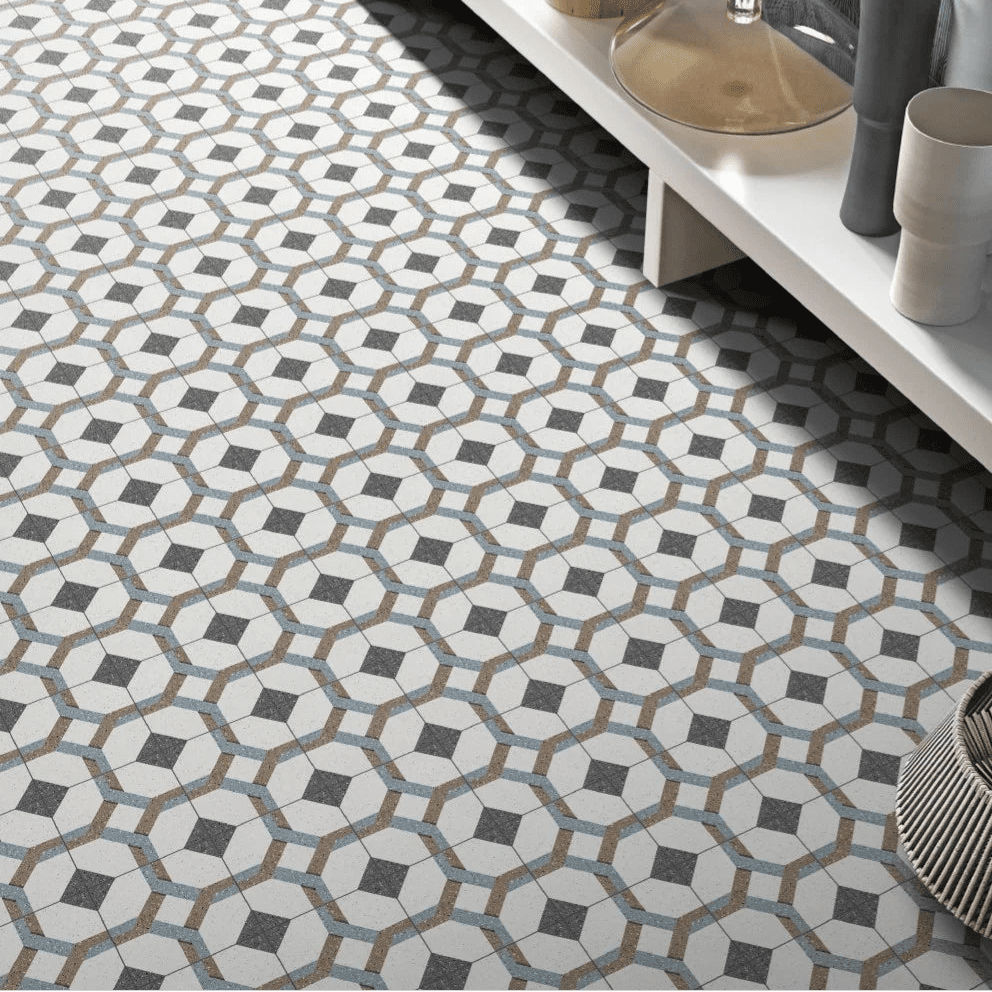
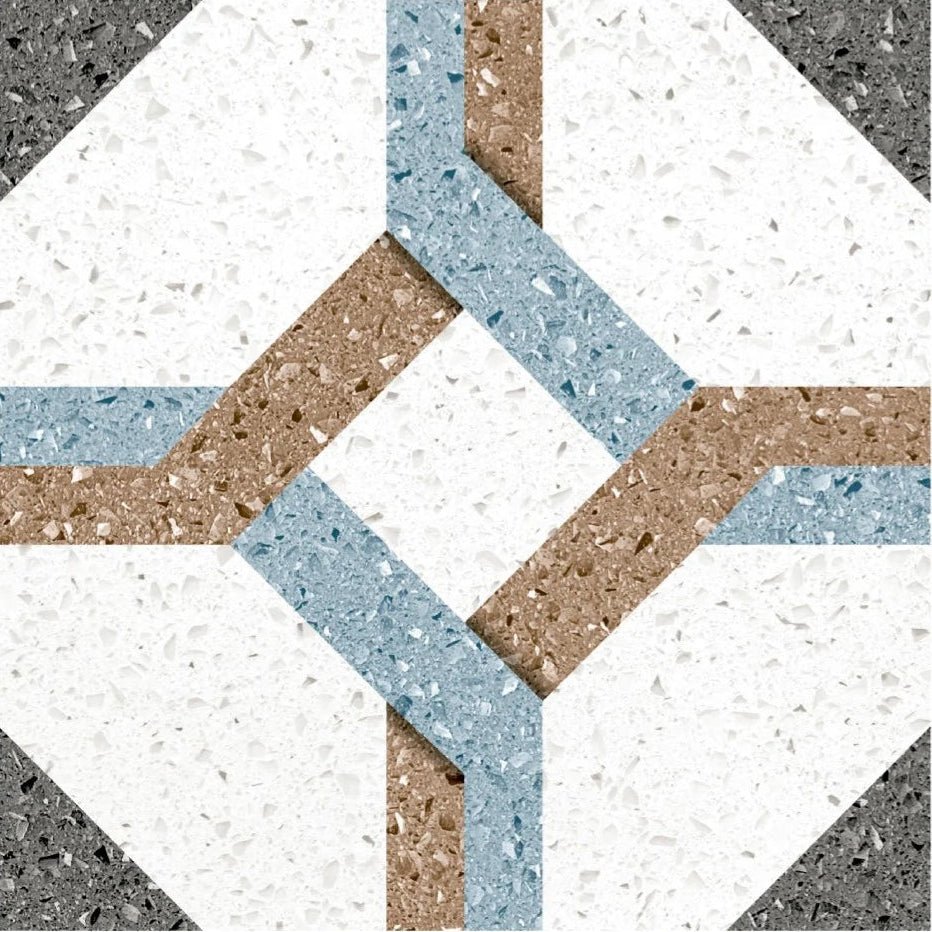
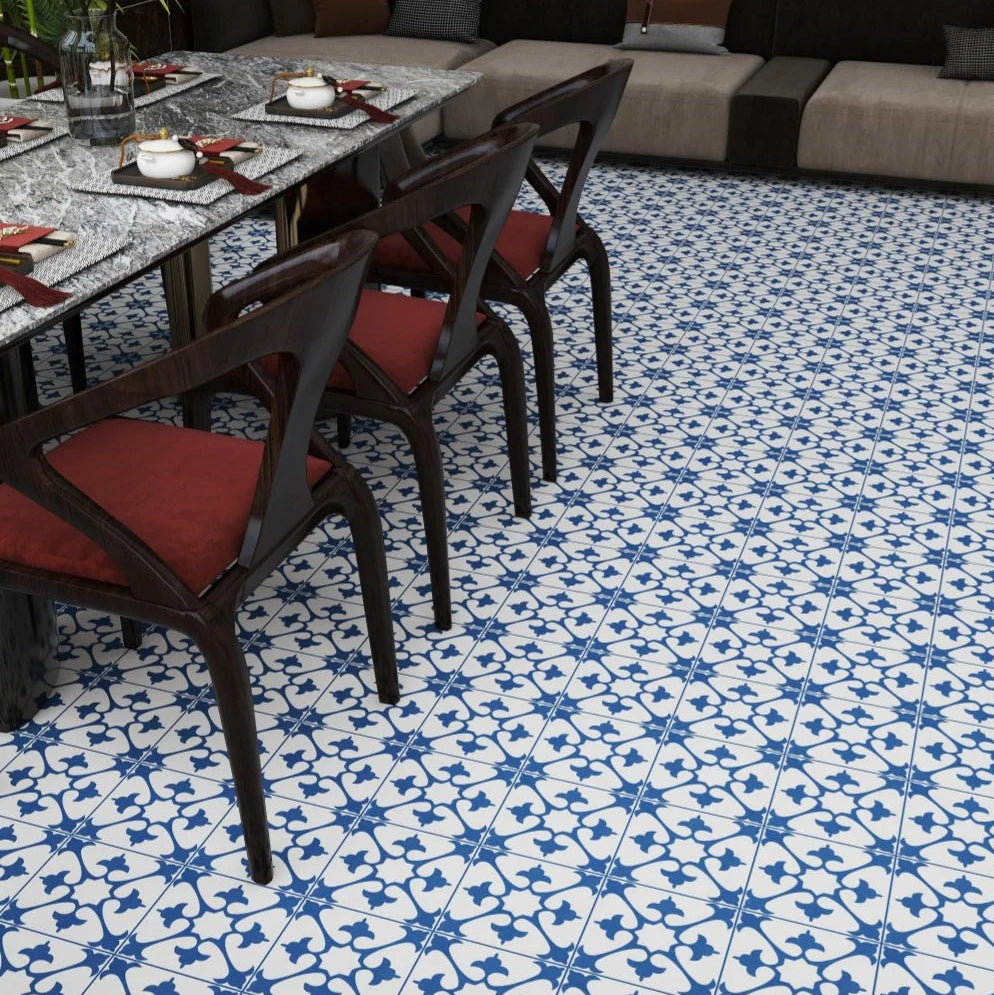
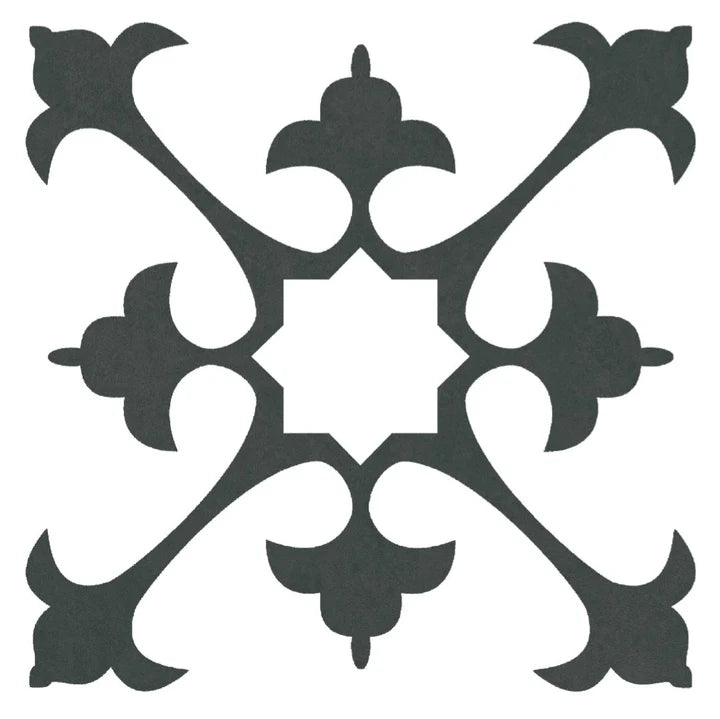
- Maximalist patterns — Bold geometric or encaustic-style cement tiles making a real statement, especially in smaller spaces like cloakrooms.
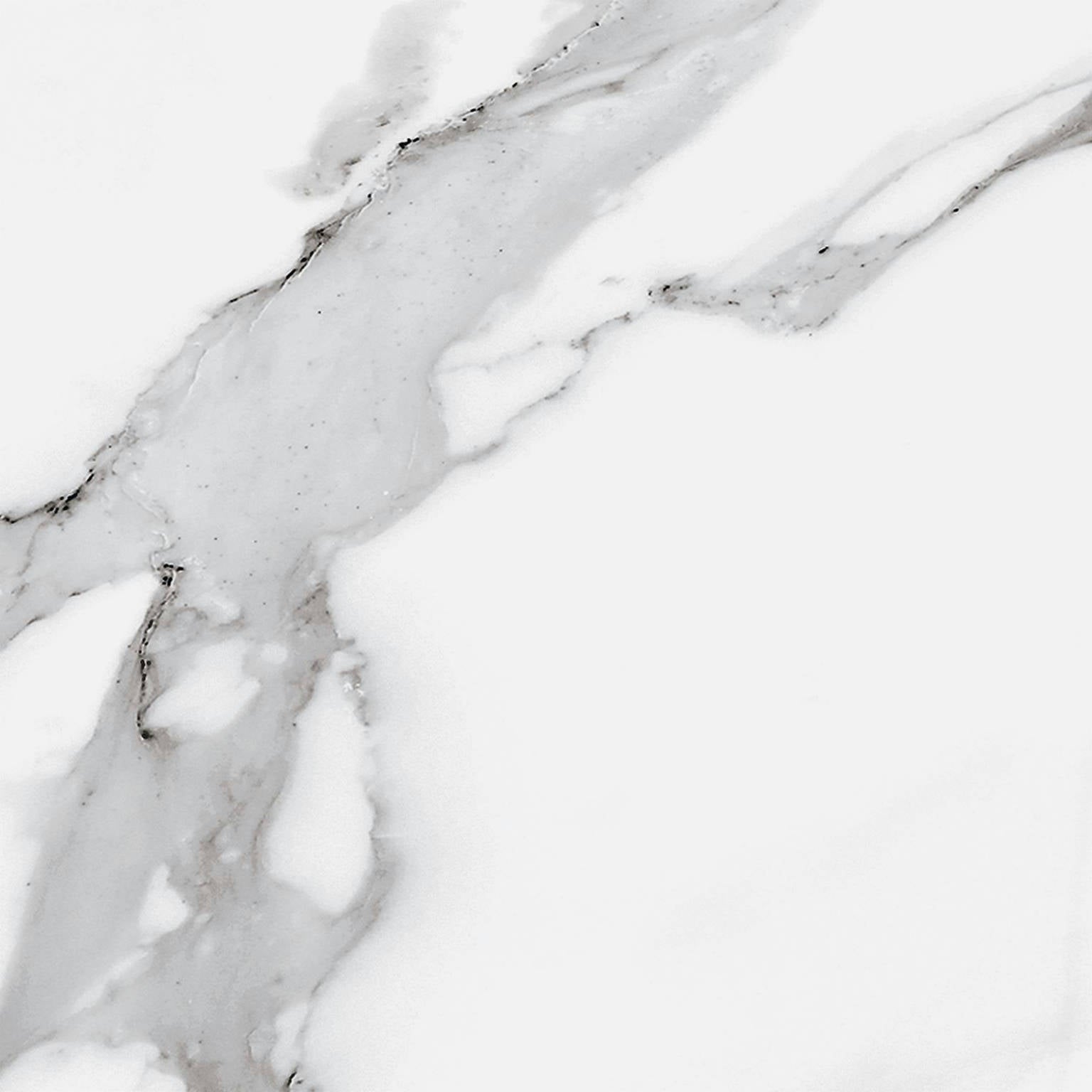
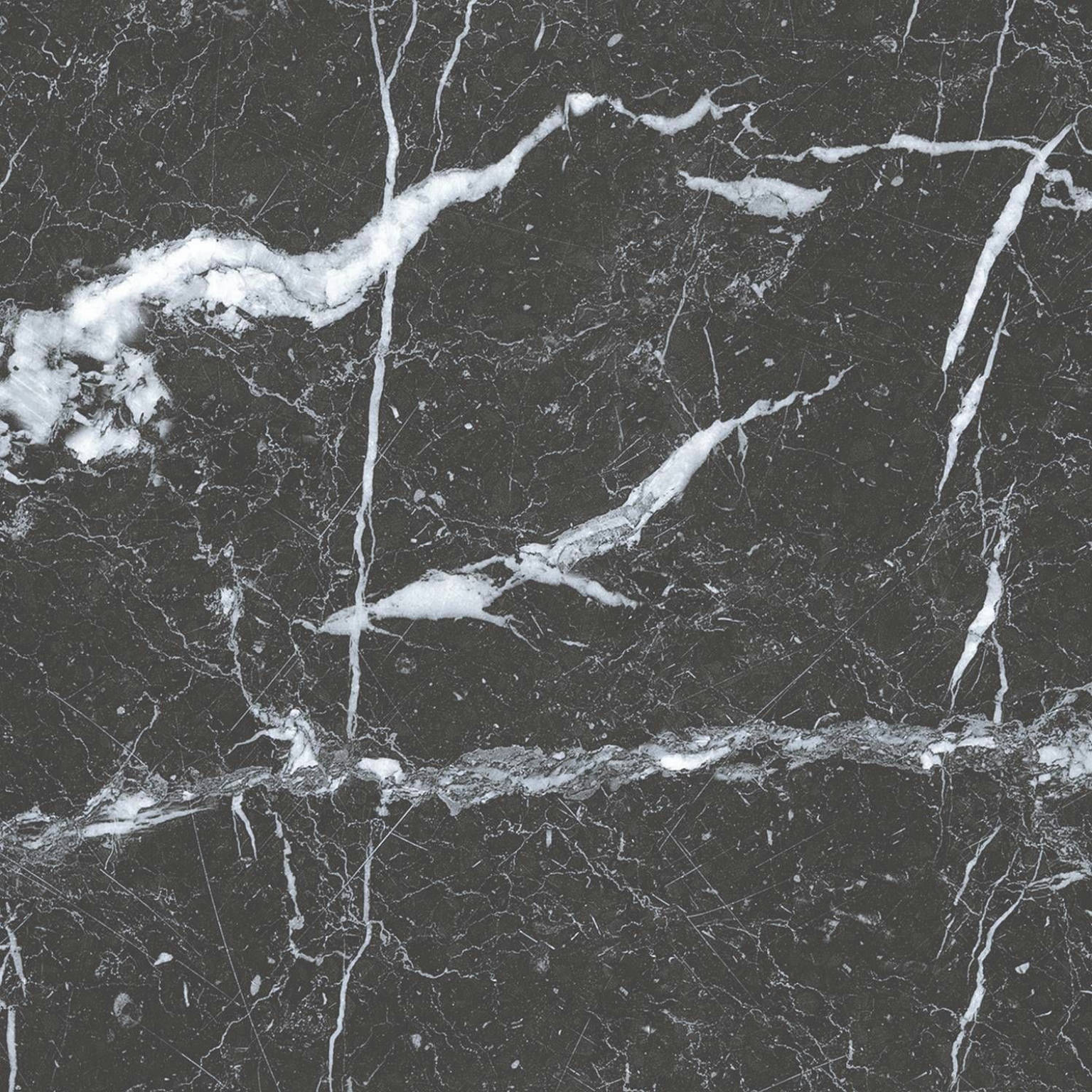
- Large format slabs — Marble-effect or stone-look porcelain tiles in oversized formats that feel luxurious and seamless.
- Metro & brick bond variations — The classic subway tile, but now in unexpected colours, finishes (crackle glaze, matte) and laid in herringbone or vertical stack bonds.
In Bathrooms
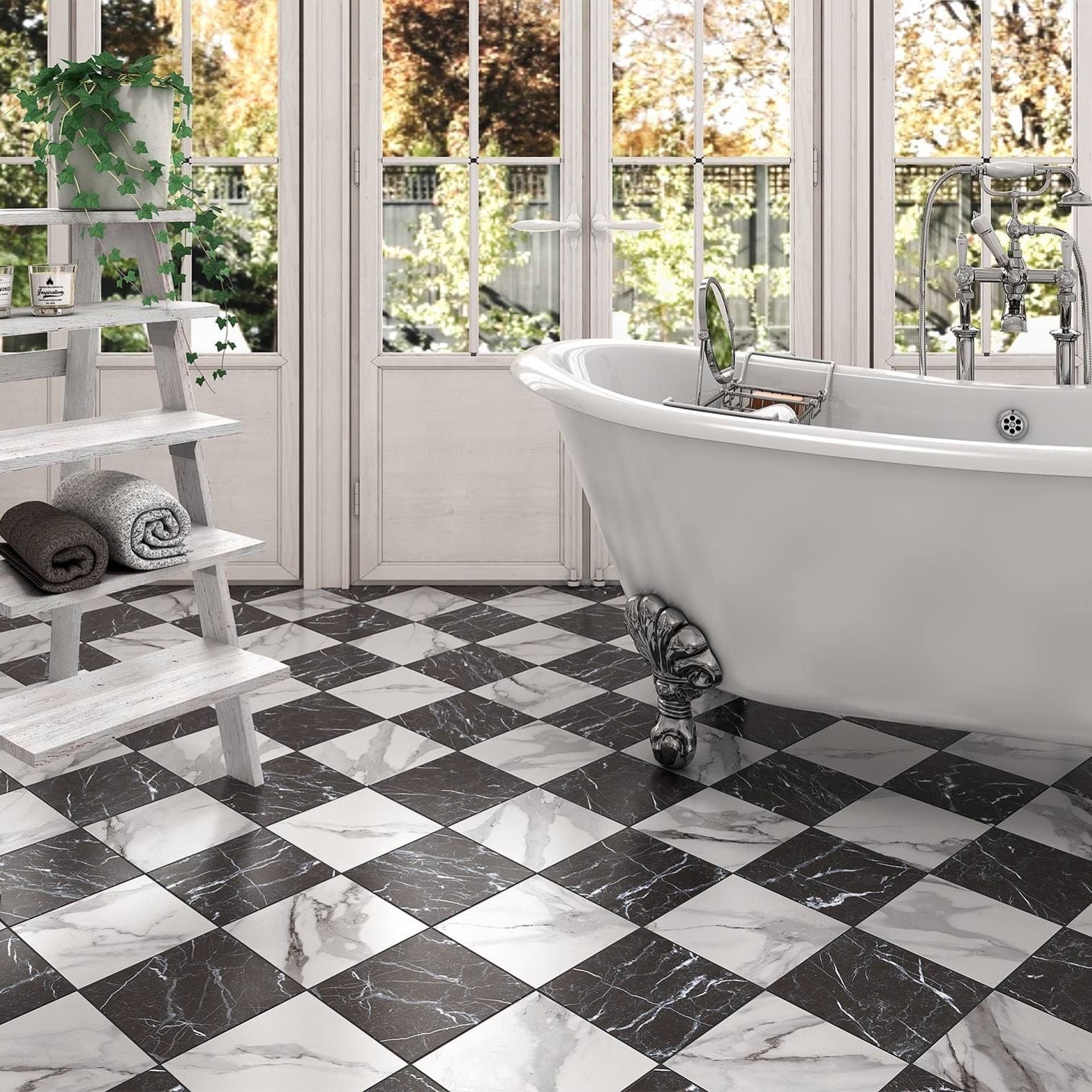
Bathrooms are arguably where feature tiles shine brightest. A tiled feature wall behind a freestanding bath, a full floor-to-ceiling tiled shower enclosure, or an intricate mosaic behind a basin unit can elevate a bathroom from functional to genuinely spa-like. Because bathrooms are often smaller, a bold tile has a concentrated impact without becoming too much.
In Kitchens
The splashback is the natural home of a feature tile in a kitchen — it sits at eye level, protects the wall, and is a canvas for creativity. A hand-painted Moroccan tile, a bold colour in a brick bond, or a glossy zellige splashback can become the design centrepiece the whole kitchen palette is built around.
Tips for Getting It Right
- Less is more — One feature wall is usually enough. Letting the tile breathe against simpler surroundings makes it more impactful, not less.
- Consider grout carefully — Grout colour dramatically changes how a tile reads. Matching grout lets the tile pattern flow; contrasting grout emphasises the individual tiles.
- Think about light — Glossy and metallic tiles amplify natural light; matt and textured tiles absorb it for a cosier feel.
- Scale matters — Large tiles in a small room can actually open a space up, but intricate small-format patterns can feel busy if overused.